FEDERAL MINISTRY OF HEALTH AND SOCIAL WELFARE

Public Health Symposium on
Pandemic Preparedness
and Response

Insights from China and Nigeria

"Strengthening Global Health Security Through Strategic Bilateral Partnership"

30 March 2026   |   Transcorp Hilton Event Centre, Abuja   |   The Symposium has concluded.

A Commitment
Delivered

The next pandemic is not a question of if. It is a question of when. No health system, no matter how advanced, can face that threat alone. Pathogens do not recognise borders or sovereignty, and our preparedness cannot either. In November 2025, Nigeria's Coordinating Minister of Health and Social Welfare, Prof. Muhammad Ali Pate, travelled to Beijing for the China-Africa High-Level Medical and Health Cooperation Forum, where African and Chinese health leaders made a shared commitment to move from goodwill to action. The Abuja Symposium was that commitment delivered. By convening Nigeria's most senior health leadership alongside a delegation from the Chinese Academy of Sciences, WHO, Africa CDC, and development partners from across the globe, Nigeria sent a clear signal: building the partnerships, systems, and institutions that will save lives tomorrow must begin today.

The Symposium brought together some of Nigeria's sharpest minds in public health alongside world-class experts from China, international organisations, and development partners, all in one room, with one shared purpose. Across four sessions spanning surveillance systems, emergency response, community trust, and bilateral partnership, the conversations were not abstract. They were urgent, specific, and grounded in lived experience, from the scientist who helped China contain a MERS outbreak in a single month, to the Nigerian doctor who lost her sister to Lassa fever while waiting ten days for a laboratory result. By the end of the day, those conversations had produced ten concrete recommendations that will directly inform Nigeria's strategic planning for pandemic preparedness. This is where the real work begins.

Pandemic preparedness is not the exclusive concern of scientists and governments. It belongs to all of us. Whether you attended this Symposium, watched from afar, or are encountering these ideas for the first time, this page is for you. Here you will find the full record of what was discussed, what was recommended, and what Nigeria and its partners have committed to doing next. For policymakers and practitioners, the ten recommendations from this Symposium are available in full, grounded in the combined expertise of two nations and the hard lessons of outbreaks survived and, in some cases, not survived. For the public, we invite you to read, to learn, and to hold us accountable. The next pandemic will not announce itself. But the work of being ready is happening now, and it is documented here.
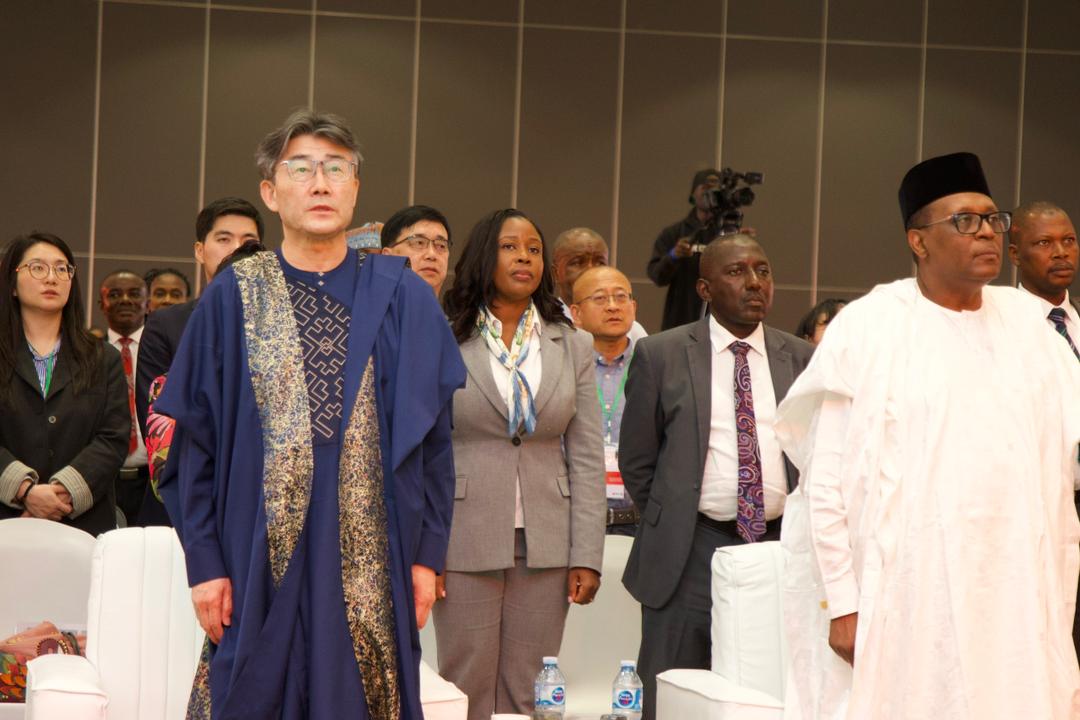
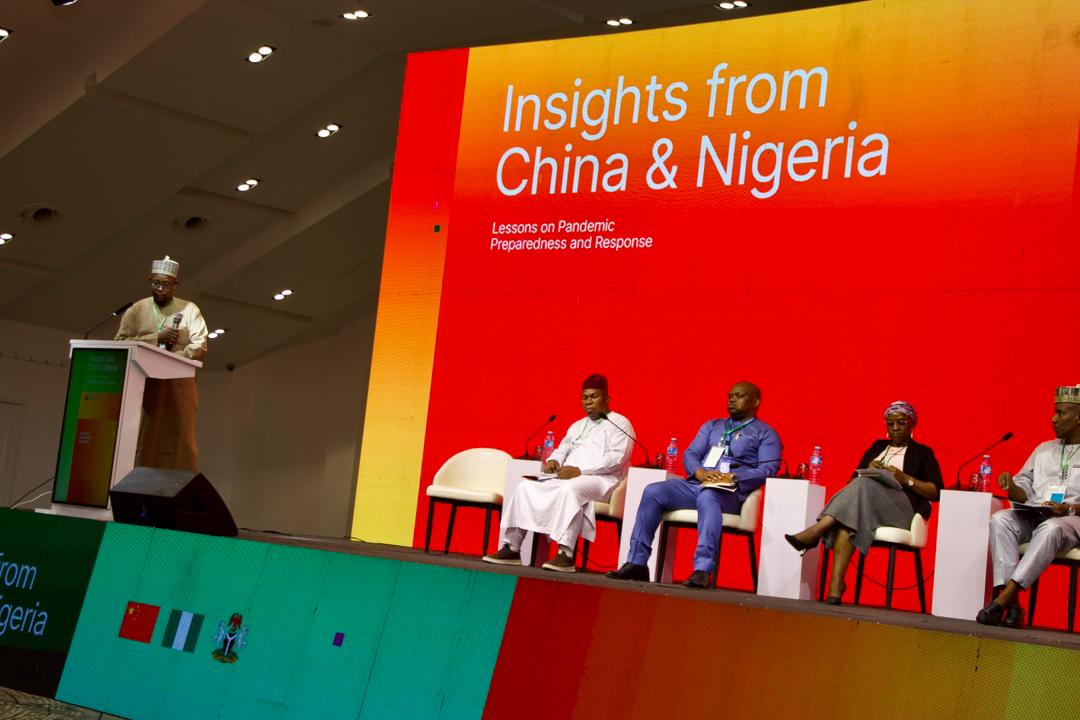
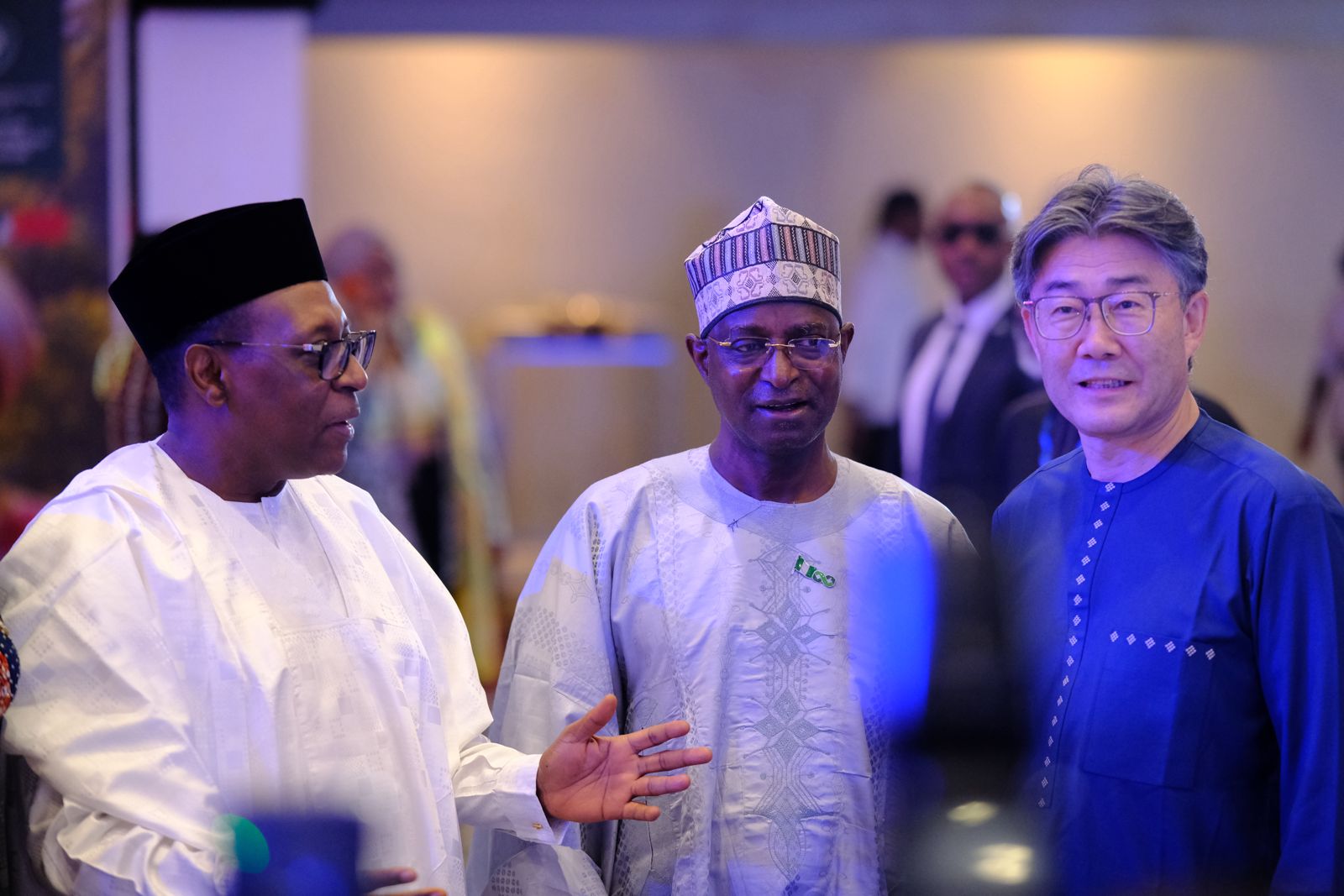
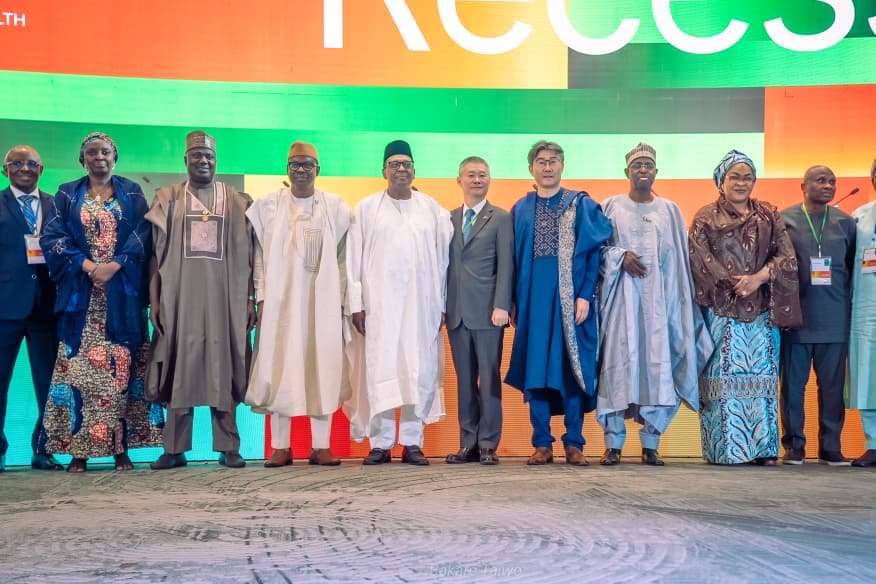
Prof. George F. Gao joins Nigerian delegates as both national anthems are observed at the opening of the Symposium, 30 March 2026.
300+ Delegates
30+ Organisations
10 Concrete Recommendations

Session Highlights

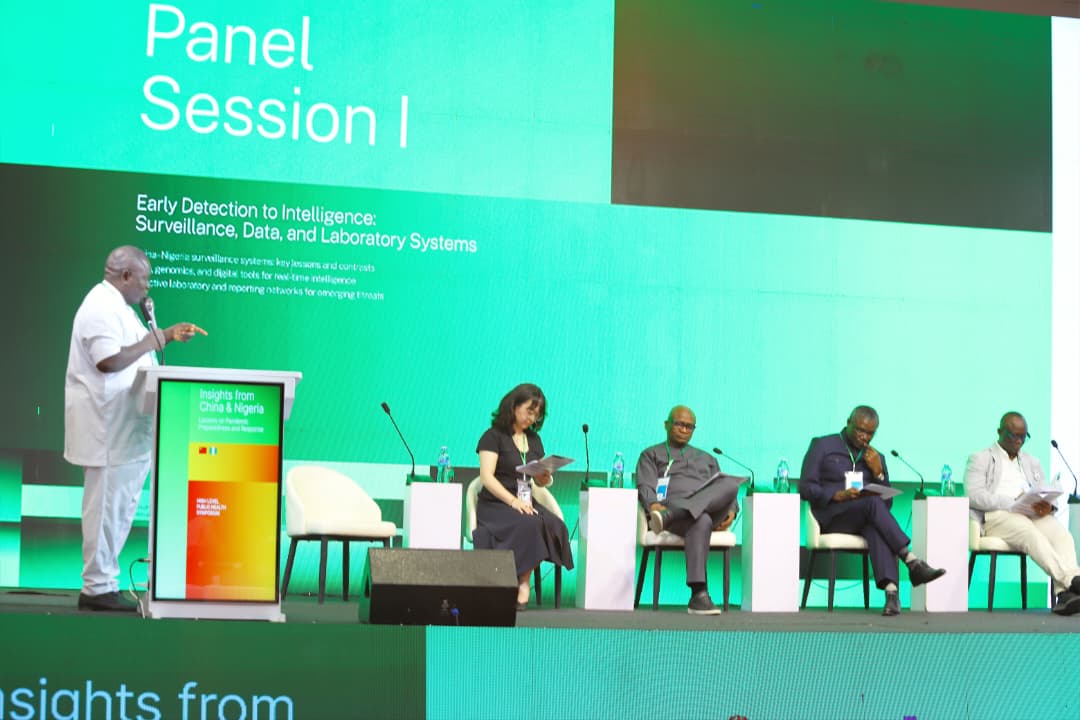
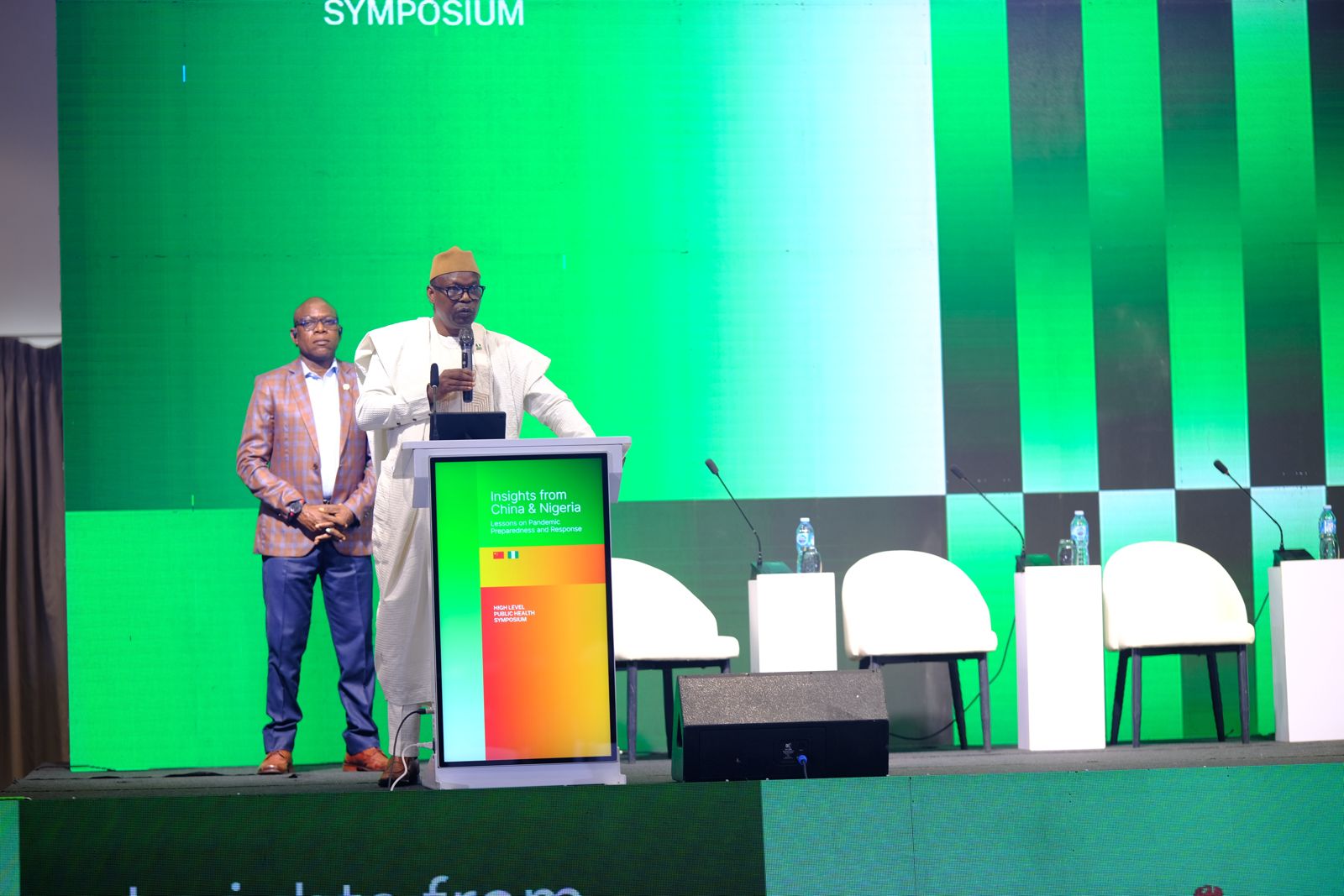
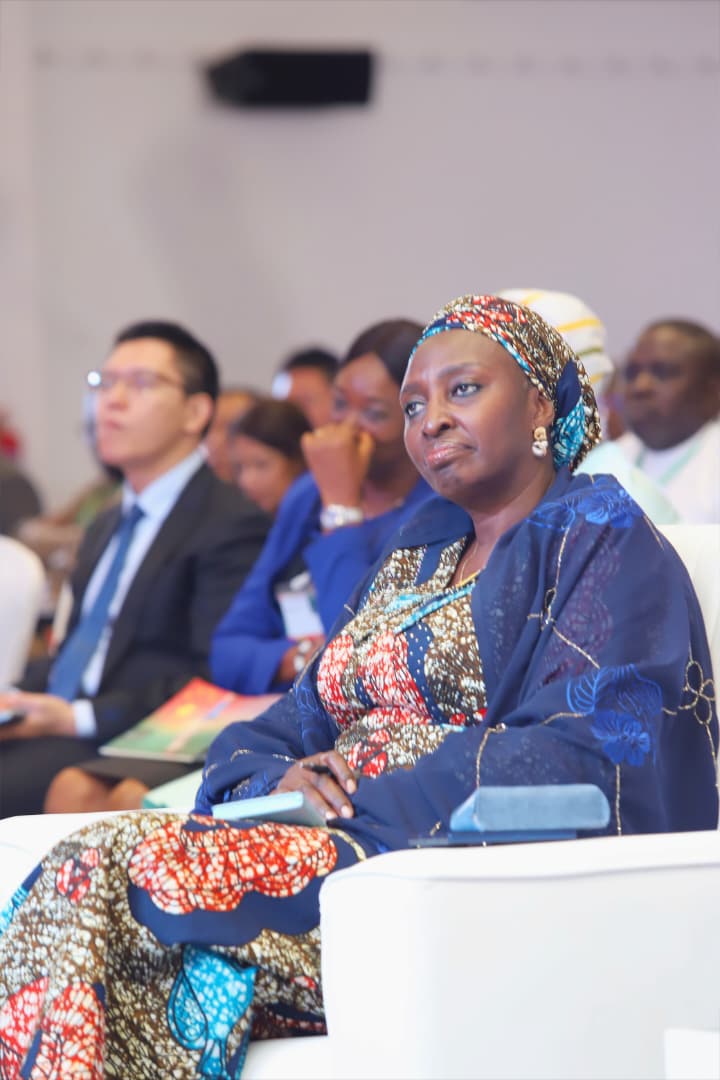
Panelists examine comparative surveillance architectures and digital tools for real-time disease intelligence during Session I.

Panelists examine comparative surveillance architectures and digital tools for real-time disease intelligence during Session I.

Session I

Early Detection to Intelligence: Surveillance, Data, and Laboratory Systems

When a new pathogen emerges, the difference between an outbreak and a pandemic is often measured in hours. This session examined how Nigeria and China detect disease threats early, from the legal frameworks that mandate case reporting within two hours in China, to Nigeria's growing genomic surveillance network and its ambition to place point-of-care diagnostics at the primary healthcare level. Experts confronted an uncomfortable truth: Nigeria has more data than it uses. The real challenge is not collection but the speed at which information becomes decision.

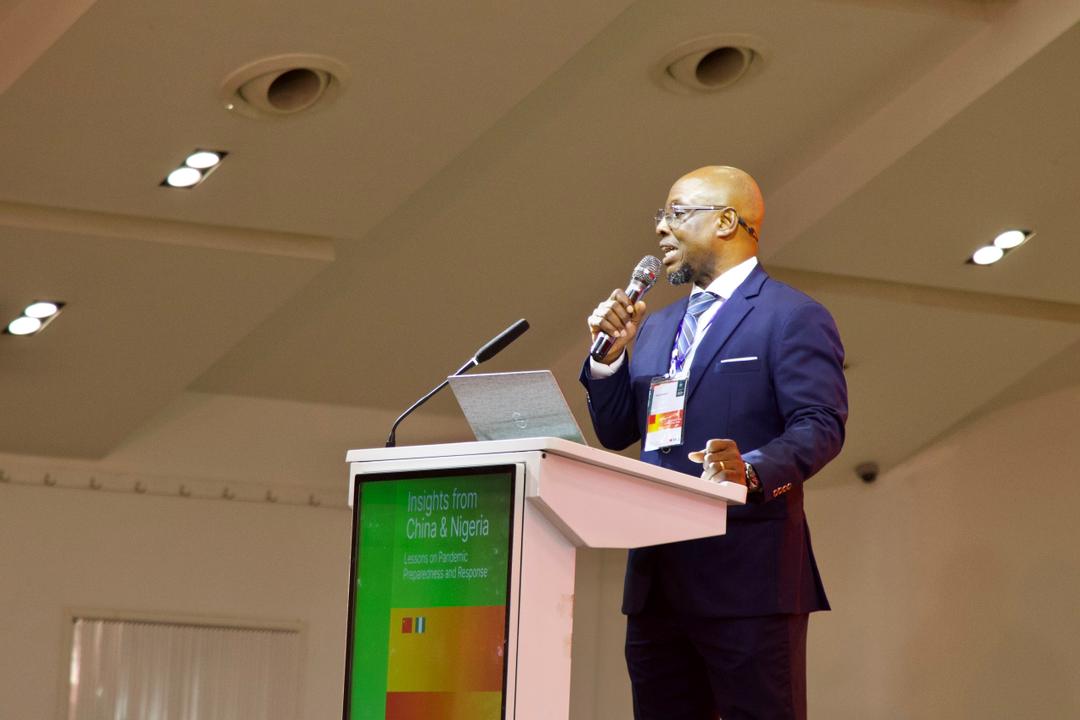
Panelists discuss emergency response systems and coordination during Session II.

Panelists discuss emergency response systems and coordination during Session II.

Session II

Detection to Action: Emergency Response Systems and Coordination

Knowing a threat exists means nothing if the response takes weeks to mobilise. This session examined what makes emergency systems move quickly and coherently in the critical first 72 hours, drawing on Nigeria's experience with Ebola, COVID-19, and polio, and China's ability to compress an 18-month drug development timeline to under four months during COVID-19. The panel was frank about what slows Nigeria down, and specific about what fixes it: pre-established command structures, finances that can be mobilised before bureaucracy clears, and accountability measured in outcomes, not processes.

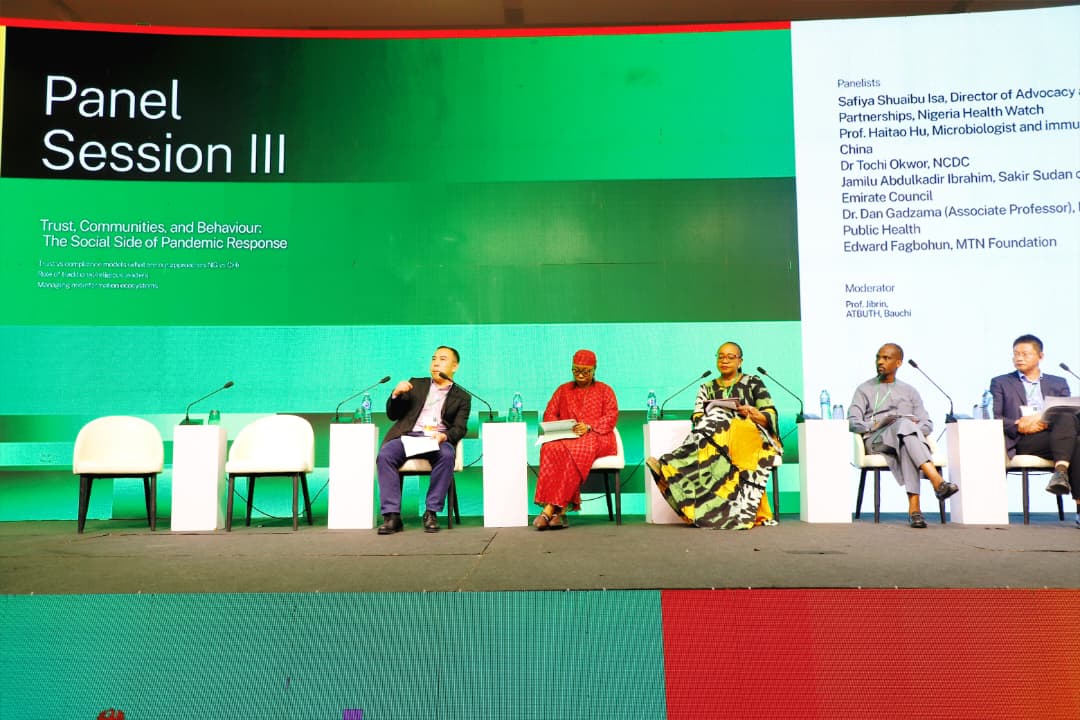
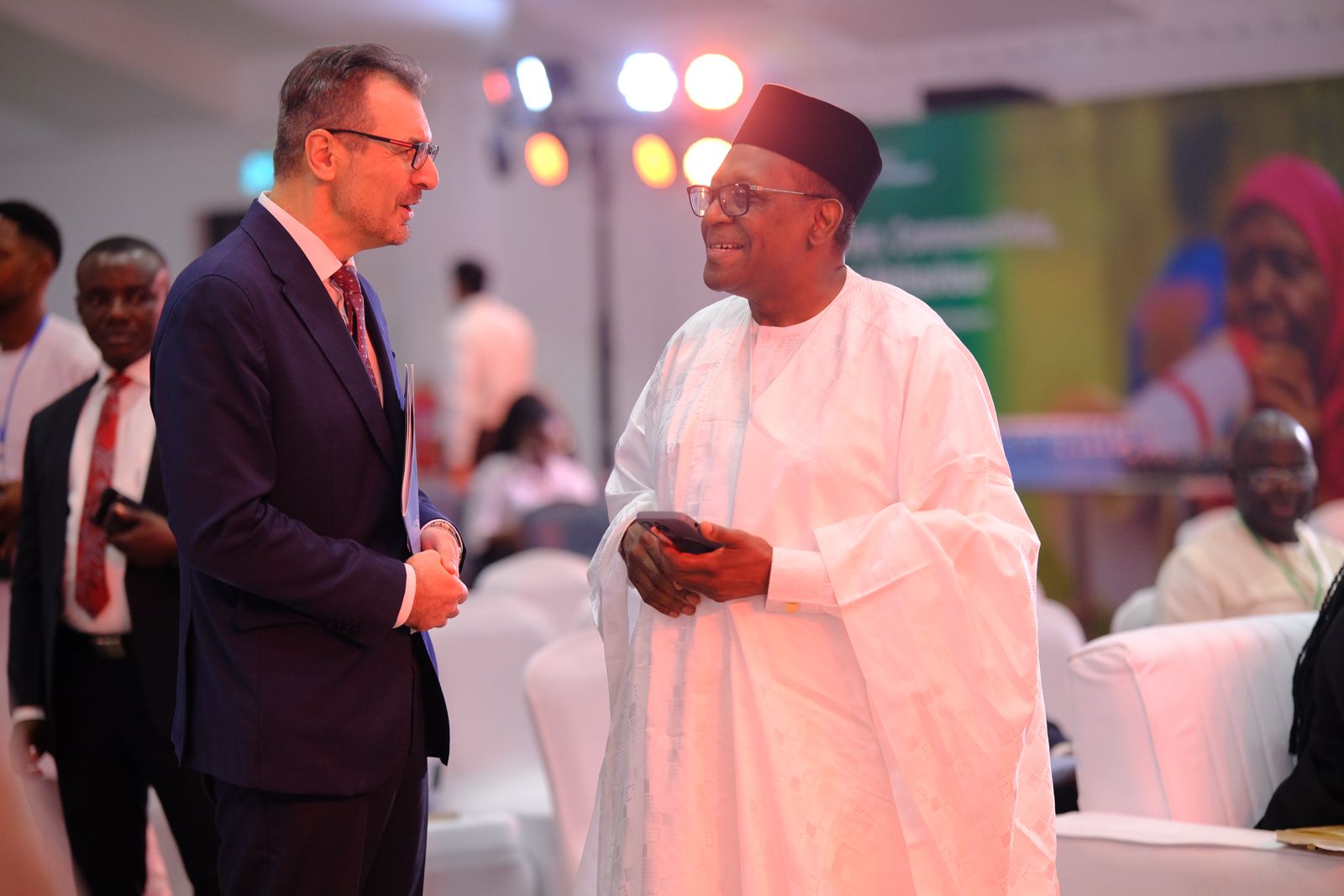
Nigerian and Chinese experts discuss community trust, misinformation, and the social dimensions of pandemic response during Session III.

Nigerian and Chinese experts discuss community trust, misinformation, and the social dimensions of pandemic response during Session III.

Session III

Trust, Communities, and Behaviour: The Social Side of Pandemic Response

A vaccine that people refuse to take has an efficacy of zero. This session explored the human side of pandemic response, the trust, relationships, and communication systems that determine whether communities follow expert guidance or conspiracy theories when a crisis arrives. Nigerian and Chinese experts agreed on one thing above all: trust cannot be built at the point of crisis. It is built beforehand, through consistent engagement, transparent communication, and the deliberate inclusion of the traditional and religious leaders communities already listen to.

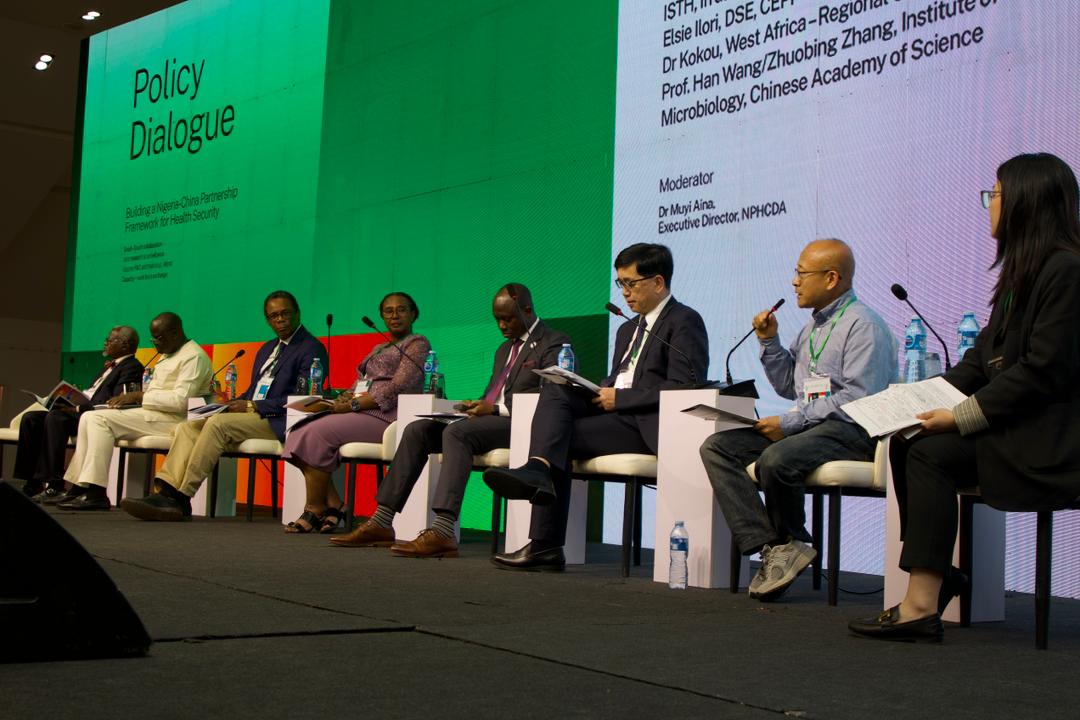
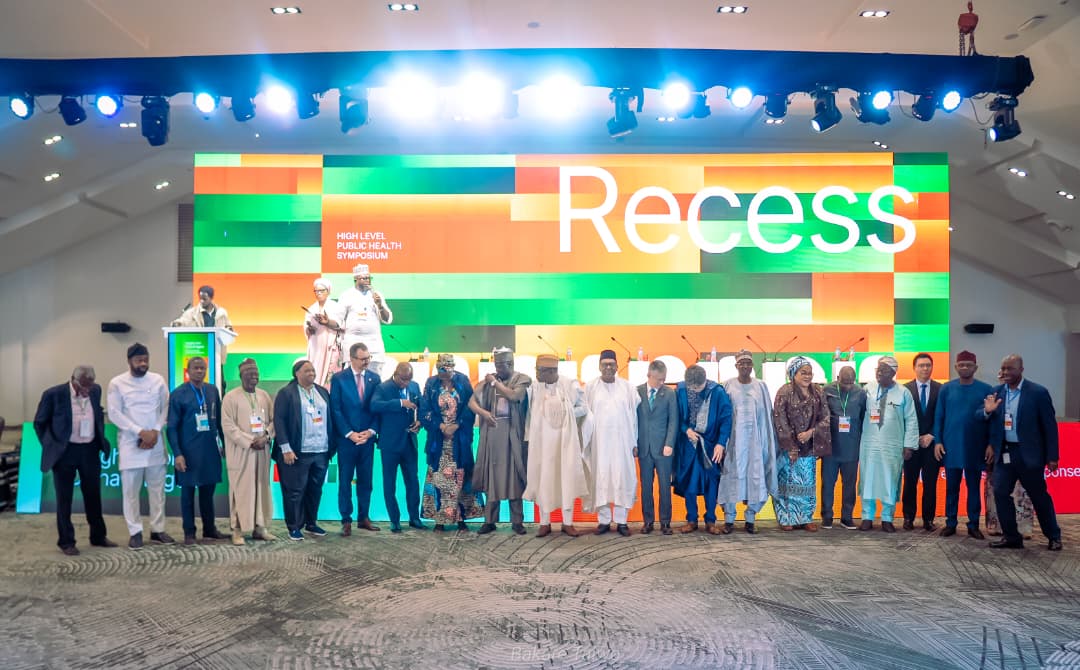
Senior leaders discuss the Nigeria-China Partnership Framework for Health Security during Session IV.

Senior leaders discuss the Nigeria-China Partnership Framework for Health Security during Session IV.

Session IV

Building a Nigeria-China Partnership Framework for Health Security

The final session asked the hardest question of the day: how do you move from goodwill to implementation? Senior leaders from NAFDAC, NIMR, CEPI, Africa CDC, and the Chinese Academy of Sciences mapped a phased pathway from joint research and personnel exchanges to technology transfer and local vaccine manufacturing. The session produced a clear consensus: Nigeria does not need to start from scratch. The regulatory infrastructure, the institutional capacity, and the bilateral commitment are already in place. What is needed now is a structured, long-term framework that sequences ambition to match reality.

During the first panel session, Dr. Naomi Ogboi stepped away from the policy discussion to share something personal.

Her sister, a gynaecology senior resident, contracted Lassa fever while performing a procedure at a facility in Jos. For nearly ten days, the clinical team treated an unconfirmed diagnosis while samples travelled from Jos to Abuja waiting for laboratory results. By the time confirmation came, it felt too late.

"The numbers and statistics represent real people and real families still in mourning," Dr. Ogboi told the room.

She asked the panel to speak to practical steps being taken to fast-track laboratory results. It was the most important question asked all day. Every recommendation in this Symposium about diagnostic capacity, laboratory networks, and point-of-care testing is, in part, an answer to it.

Ten Recommendations for Pandemic Preparedness

Produced by the Symposium and presented by Dr. Charles Nzelu, Director of Public Health, Federal Ministry of Health and Social Welfare

  1. Build a Surveillance System That Works in Real Time

    Nigeria needs a single, connected digital surveillance system that captures disease data at every level, from the local government area to the national centre, so that a threat detected in Bayelsa is visible in Abuja within hours, not weeks.

  2. Put Diagnostic Tools Where People Actually Get Sick

    Confirmatory diagnosis must reach primary healthcare facilities and rural communities. Without the ability to identify a disease at the point of care, outbreaks cannot be declared, patients cannot be properly treated, and communities cannot be meaningfully engaged.

  3. Build Emergency Response Systems Before You Need Them

    Emergency Operations Centres must have clear command structures, defined roles, pre-positioned financing, and outcome-based accountability, all established before an outbreak occurs, not improvised after one begins.

  4. Earn Community Trust Before a Crisis Arrives

    Traditional rulers, religious leaders, and community voices must be integrated into Nigeria's health security systems as permanent partners, not emergency contacts. Trust built before a pandemic is the only trust that holds during one.

  5. Manufacture Vaccines and Medicines at Home

    Nigeria must establish a phased, realistic pathway to local vaccine and therapeutics manufacturing, beginning with fill-and-finish capacity and progressing toward full production, so that the next pandemic does not find Nigeria dependent on global supply chains that will prioritise other countries first.

  6. Build Research Partnerships That Last

    Joint laboratories, shared clinical trials, and long-term research collaboration between Nigerian and Chinese institutions must be formalised and funded, with Lassa fever and Mpox as immediate priorities where Nigeria's outbreak experience gives it a unique and valuable contribution to make.

  7. Protect and Invest in Frontline Health Workers

    The health workers who will face the next pandemic first must be trained, equipped, protected, and valued now. Nigeria has retrained nearly 79,000 frontline workers in the last two years. That momentum must be sustained and deepened at the community level.

  8. Fund Preparedness Like the Emergency It Is

    WHO and Africa CDC recommend between $4 and $5 per capita for emergency preparedness. Nigeria currently allocates a fraction of that. Dedicated, legislated funding for pandemic preparedness must reach subnational levels where the capacity gaps are greatest and the consequences of unpreparedness are most severe.

  9. Let Data Drive Decisions

    Automated decision-support tools, integrated reporting dashboards, and hospital-based case capture systems must be adopted so that surveillance data triggers action in hours, not days.

  10. No Country Prepares Alone

    Nigeria must deepen its collaboration with ECOWAS, Africa CDC, and regional networks on cross-border surveillance and joint response. The Nigeria-China partnership established at this Symposium is one model for what sustained, equal, and mutually beneficial health security cooperation looks like.

Voices from the Symposium

If we don't work together, the virus will work together.
Prof. George F. Gao Director General, Institute of Microbiology, Chinese Academy of Sciences
Pathogens move faster than systems, and very often faster than policies and politics.
Dr. Pavel Ursu WHO Country Representative, Nigeria
Relationships and coordination systems should be built during peacetime. Outbreaks are not the time to establish new partnerships.
Dr. Mahmoud Dalhat President, Nigerian Infectious Disease Society
A mother who experienced a stock-out at a health facility will not be easily persuaded during an outbreak.
Dr. Tochi Okwor Director of Prevention and Health Promotion, Nigeria CDC

Speakers and Panelists

Keynote and Lead Speakers

Prof. Muhammad Ali Pate
HOST

Prof. Muhammad Ali Pate CON

Coordinating Minister of Health and Social Welfare
Federal Republic of Nigeria

The architect of Nigeria's Health Sector Renewal Investment Initiative, Prof. Pate convened the Symposium as a direct commitment to building the partnerships and systems that will protect Nigerians from the next pandemic.

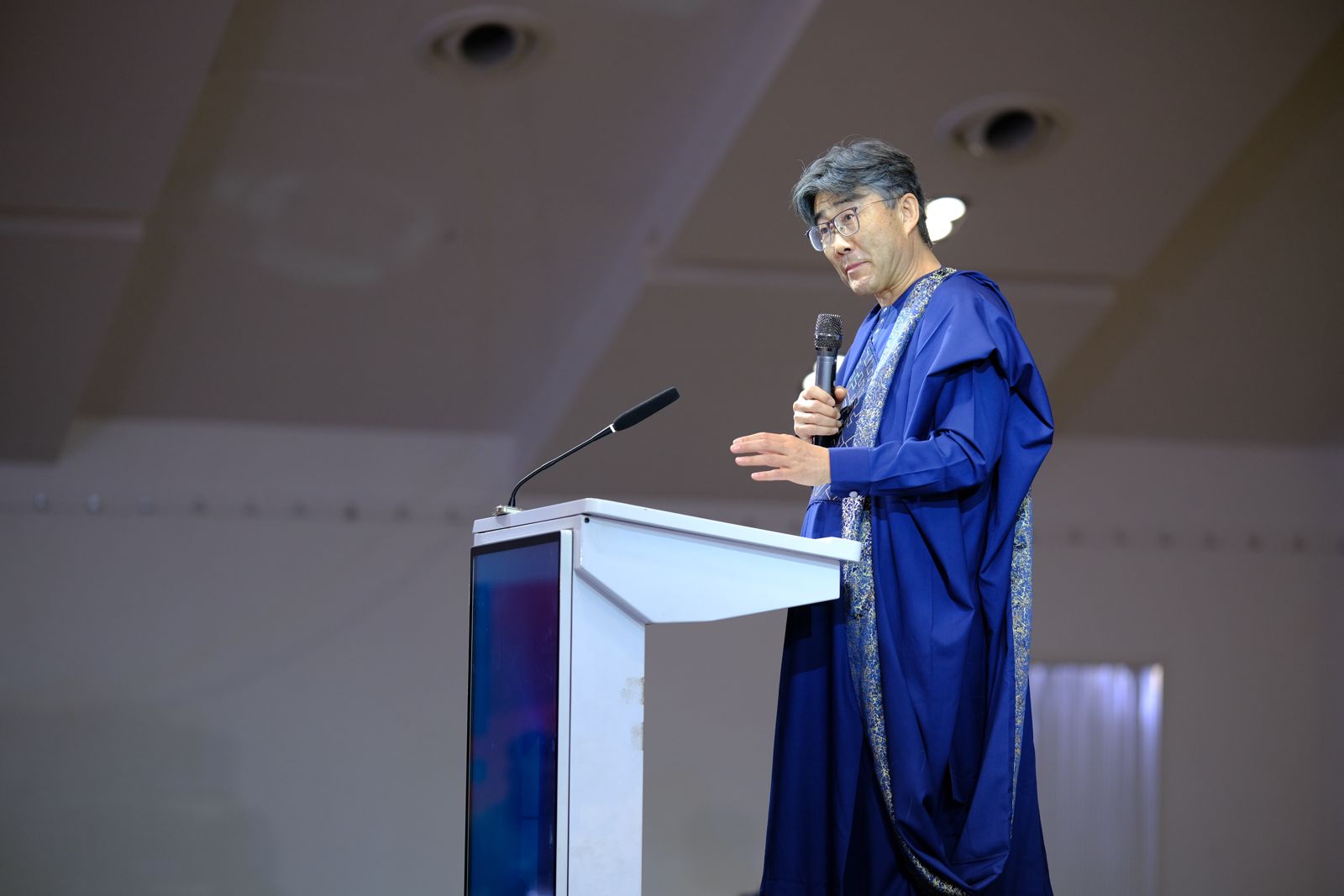
Prof. George F. Gao delivers the keynote address
KEYNOTE

Prof. George F. Gao (高福)

Director General for Immunology, Institute of Microbiology, Chinese Academy of Sciences

One of the world's foremost virologists and immunologists, Prof. Gao led China's response to major outbreaks including COVID-19 and delivered the Symposium's keynote address. He was honoured with the traditional chieftaincy title of Wakili of Chigari Misau and the Federal Ministry of Health's Award of Excellence 2026.

Dr. Iziaq Adekunle Salako
MINISTER OF STATE

Dr. Iziaq Adekunle Salako

Honourable Minister of State for Health and Social Welfare
Federal Republic of Nigeria

Dr. Salako opened the Symposium with a call to move pandemic preparedness toward a broader transdisciplinary approach that places society, culture, and community at its centre.

Dr. Charles Nzelu
OUTPUTS

Dr. Charles Nzelu

Director, Department of Public Health
Federal Ministry of Health and Social Welfare

Dr. Nzelu anchored the Symposium's outputs, presenting the ten recommendations that will directly inform Nigeria's strategic planning for pandemic preparedness and closing the day on behalf of the Permanent Secretary.

Sectoral Ministers

Senator Abubakar Kyari

Honourable Minister of Agriculture and Food Security

Alhaji Idi Mukhtar Maiha

Honourable Minister of Livestock Development

Dr. Bahijatu Abubakar

Director of Pollution Control and Environmental Health, representing the Honourable Minister of Environment

Moderators and Closing Reflections

  • Chief Mrs. Moji Makanjuola Lead Moderator
  • Dr. Abiodun Oguniyi Co-Moderator, NCDC
  • Mrs. Claire Adelabu-Abdulrazak Co-Moderator, NTA
  • Dr. Terfa Kene Moderator, Session I, APHPN
  • Prof. Ismaila Dahiru Lawal Moderator, Session II, Ahmadu Bello University
  • Prof. Yusuf Bara Jibrin Moderator, Session III, ATBUTH
  • Dr. Muyi Aina Moderator, Session IV, NPHCDA
  • Prof. Abdulsalami Nasidi Closing Reflection, Former Director General, Nigeria CDC
  • Prof. Oyewale Tomori Closing Reflection, Former President, Nigeria Academy of Science

What Comes Next

The Symposium was not an end point. It was a starting gun.

The ten recommendations produced on 30 March 2026 are now being translated into a Strategic Options Paper that will provide Nigeria's policymakers with a concrete, evidence-based roadmap for strengthening pandemic preparedness and response. The paper draws directly on the expert discussions, bilateral exchanges, and lessons shared at the Symposium, and is expected to be published within three months.

In parallel, Nigeria and China are working to formalise the partnership commitments made at the Symposium into institutional arrangements that will sustain collaboration beyond a single event, spanning joint research, technology transfer, laboratory strengthening, and local vaccine manufacturing capacity.

This page will be updated as milestones are reached. The recommendations made here are not filed away. They are being worked on.

Strategic Options Paper on Pandemic Preparedness and Response

Expected: June 2026 In Progress

Nigeria-China Partnership Framework

In Development